Where to see the Big Five in Tanzania, when to go, how many days you need, and honest odds for each animal.
You can see all of the Big Five in Tanzania: lion, leopard, elephant, buffalo and rhino. The place that makes it realistic is the Ngorongoro Crater, the only spot on the usual safari routes where black rhino are seen with any regularity. Pair a day in the crater with two or three nights in the central Serengeti for leopard, and a stop in Tarangire for elephants, and a week in the dry season gives you a very good chance at all five.
The Big Five at a Glance
| Animal | Best place in Tanzania | How likely |
|---|---|---|
| Elephant | Tarangire, in the dry season | Almost certain on any northern safari |
| Buffalo | Ngorongoro Crater, Tarangire, Serengeti | Almost certain |
| Lion | Serengeti, Ngorongoro Crater | Very likely over a few days |
| Leopard | Central Serengeti around Seronera | Good with two or more nights there, never promised |
| Black rhino | Ngorongoro Crater | Possible, usually at a distance |
Why These Five?
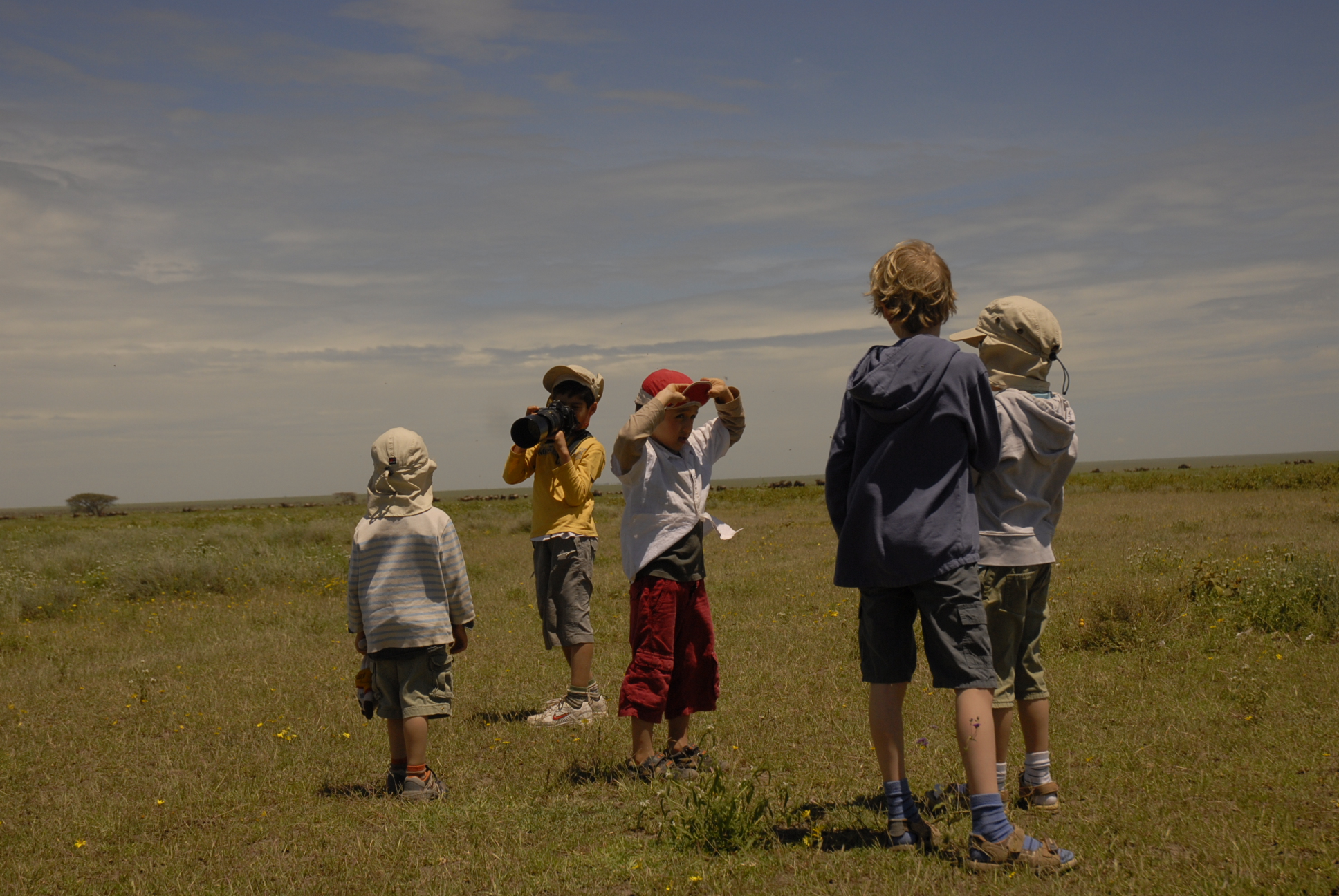
The name comes from big-game hunting. The Big Five were the animals hunters on foot thought most dangerous to track, not the five largest. Hippo and giraffe are both bigger than a leopard and don't make the list. The term outlived the hunting and is now a wildlife watcher's checklist.
Where to See Each One
Elephant: Tarangire
In the dry months, from June to October, elephants come to the Tarangire River from a wide area around the park. Up to 3,000 can gather there, often in family herds that walk right past the vehicle. Elephants are common in the Serengeti too, and the Ngorongoro Crater has a small group of old bulls with heavy tusks.
Buffalo: Ngorongoro Crater
The crater floor holds thousands of buffalo, and you will almost certainly see herds on any game drive there. They are just as common in Tarangire and the Serengeti. An old bull on its own, the kind guides call a "dagga boy", is worth a closer look.
Lion: Serengeti
The Serengeti has one of Africa's largest lion populations, often put at around 3,000. Prides hold territory on the open plains and around the kopjes, the granite outcrops lions use as lookouts. The crater has several prides of its own, including black-maned males, and Lake Manyara is known for lions that climb trees.
Leopard: Central Serengeti
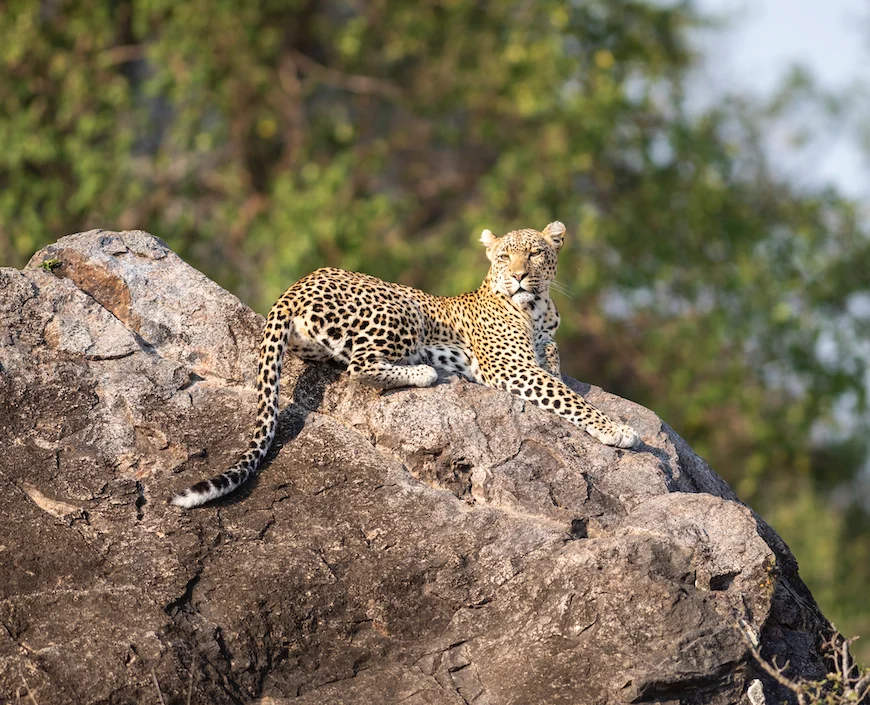
Leopard is the one that keeps people guessing. They are solitary, mostly active at night and spend the day in trees or long grass. The Seronera valley in the central Serengeti is the best area in Tanzania, because its river is lined with sausage and acacia trees that leopards rest in. Two or three nights there improve your odds a great deal. In the crater, leopards live in and around the Lerai Forest but are rarely seen.
Black Rhino: Ngorongoro Crater
Poaching took Tanzania's black rhino close to extinction. The crater's population, now over 30 animals, is protected around the clock, and it is the most reliable place in the country to see one. Even there, rhinos often keep to the far side of the floor, so binoculars help. A few live in the Serengeti around the Moru Kopjes, but sightings are rare.
Best Time for a Big Five Safari
The dry season, June to October, is the strongest window. The grass is short, the bush is thin and animals stay close to water, which makes leopard and rhino easier to spot. January and February are a good second choice: the southern Serengeti is full of predators following the calving herds, and the crater is good all year. In the long rains of April and May, roads get muddy and long grass hides animals, but you have the parks almost to yourself. For the full calendar, see the best time to visit Tanzania.
How Many Days You Need
Plan on six or seven days on the Northern Circuit. A common route is a day in Tarangire, two or three nights in the central and northern Serengeti, and a full morning on the crater floor on the way back. Shorter trips can still find all five, but with less time in the Serengeti, leopard becomes the one most people miss.
- 7 Day Tanzania Safari: Serengeti, Ngorongoro and Tarangire covers all three parks.
- 7 Day Glimpse of Northern Tanzania adds the Mara River in the dry season.
- 12 Day Predators and Prey Safari gives more time for leopard.
- Short on time? A Ngorongoro Crater day trip from Arusha is the best single day for the Big Five.
Tips for Seeing All Five
- Tell your guide early that the Big Five matter to you, so they plan the crater and Seronera days around them.
- Be at the crater gate when it opens. The first hours on the floor are the quietest, before most vehicles come down.
- Bring good binoculars, at least 8x42. Rhinos and resting leopards are often far off.
- Use your time in the Serengeti. Full-day drives with a picnic lunch cover far more leopard country than two short drives.
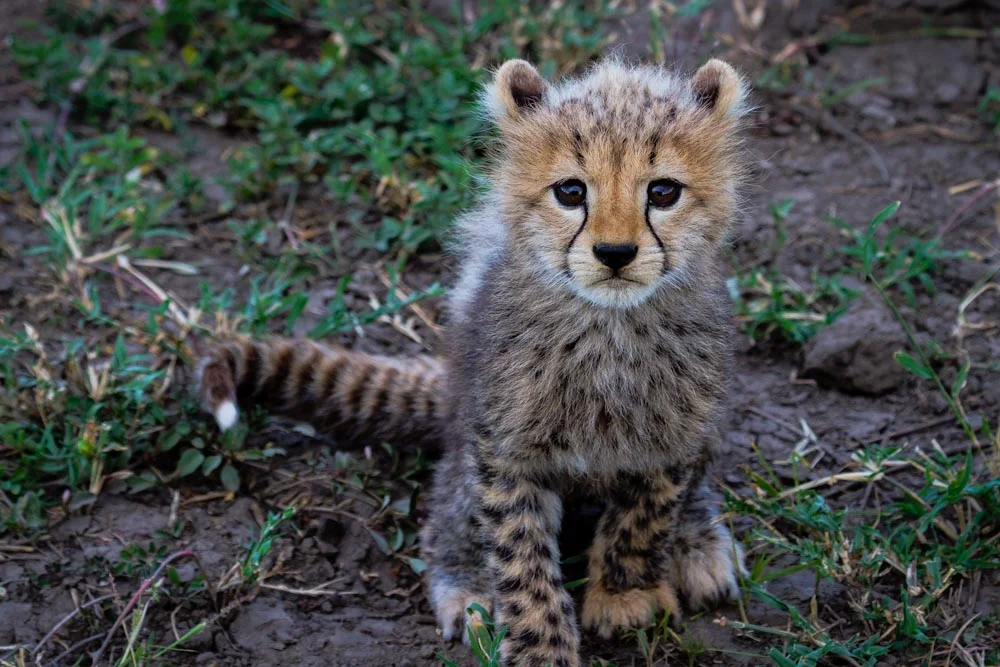
- Keep the rest in view. Cheetah, hyena, wild dog and the migration herds are often the sightings people remember most.
Tanzania or South Africa for the Big Five?
South Africa's private reserves, such as the Sabi Sand next to Kruger, are known for close leopard and rhino sightings. Tanzania wins on wide-open plains, lion numbers and the Great Migration. Our Kruger vs Serengeti comparison goes through the differences.
Either way, nobody honest can promise all five. They are wild animals. What a week in the dry season with time in the crater and at Seronera gives you is good odds.
Want to plan around the Big Five? Tell us your dates and we'll build the route and timing for the best odds.

Ecological Wilderness Adventure
Expert safari guide and writer at Ecological Wilderness Adventure, a TATO-licensed operator based in Arusha, Tanzania with 20+ years of experience crafting authentic wildlife expeditions across East Africa.
Published April 17, 2026
You Might Also Enjoy
Tanzania Safari Destinations Compared: Complete Guide 2026
Compare all major Tanzania safari destinations. Northern vs Southern circuit, park-by-park breakdown of wildlife, costs, crowds, and best timing.
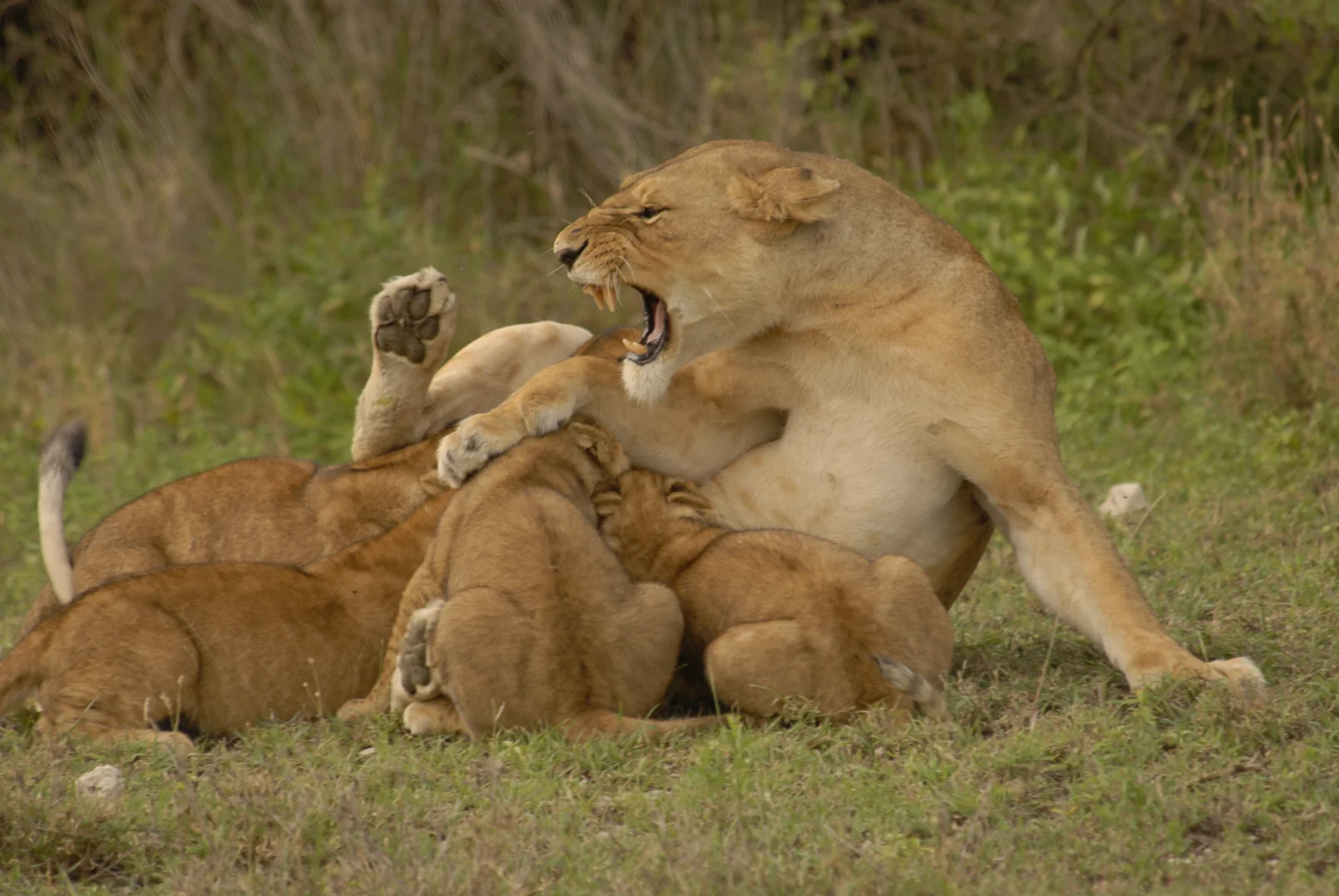
Ngorongoro Crater 2026: Complete Guide to Africa's Eighth Wonder
Discover the Ngorongoro Crater—the world's largest intact volcanic caldera and Africa's premier Big Five destination. Expert guide covering wildlife, best time to visit, crater lodges, and safari tips from local guides.