NgorongoroConservation Area
The Ngorongoro Crater is the world's largest intact volcanic caldera and a UNESCO World Heritage Site. Its 260 square kilometre floor hosts an extraordinary concentration of roughl…
Last updated:
Ngorongoro Conservation Area
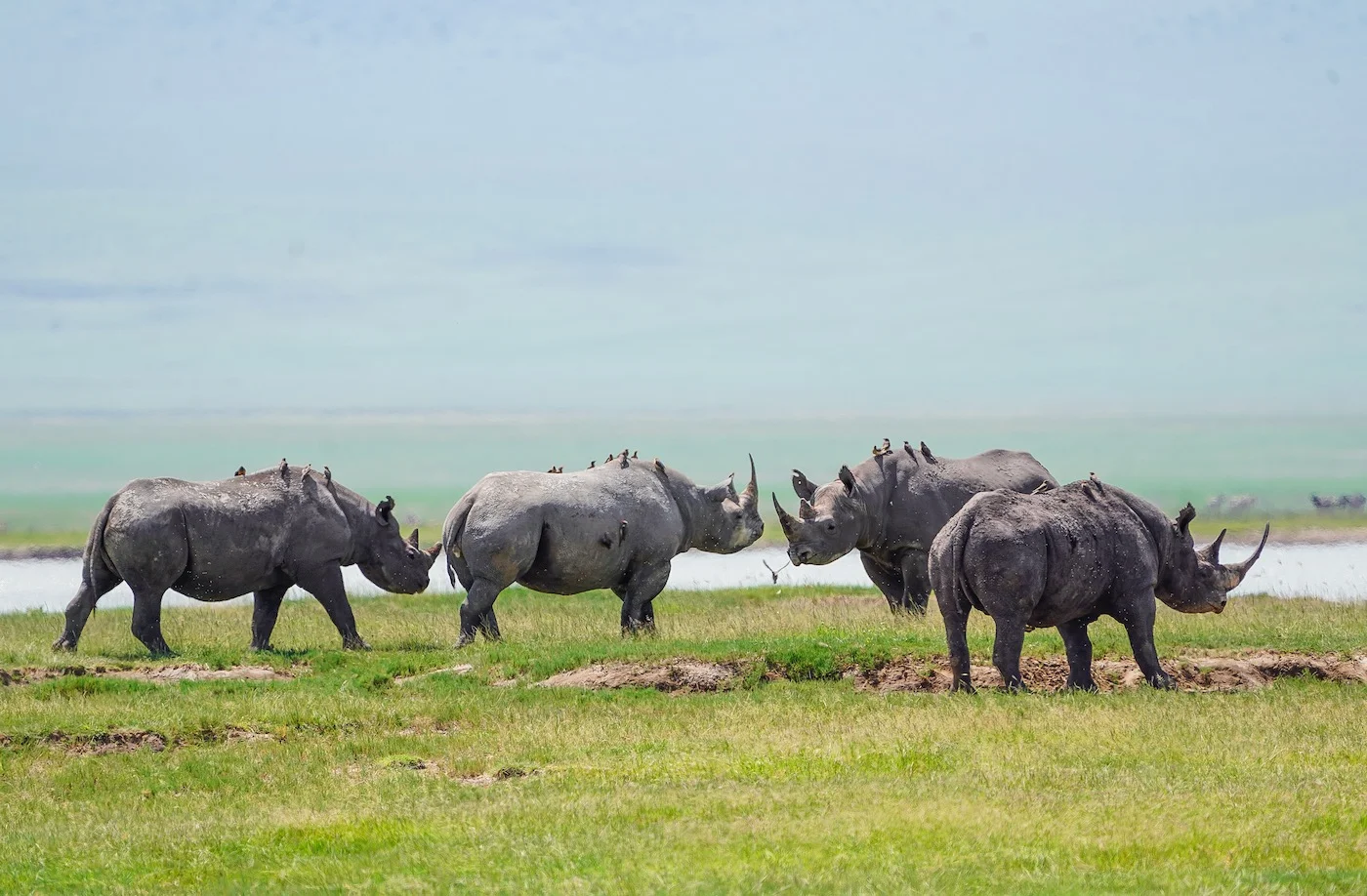
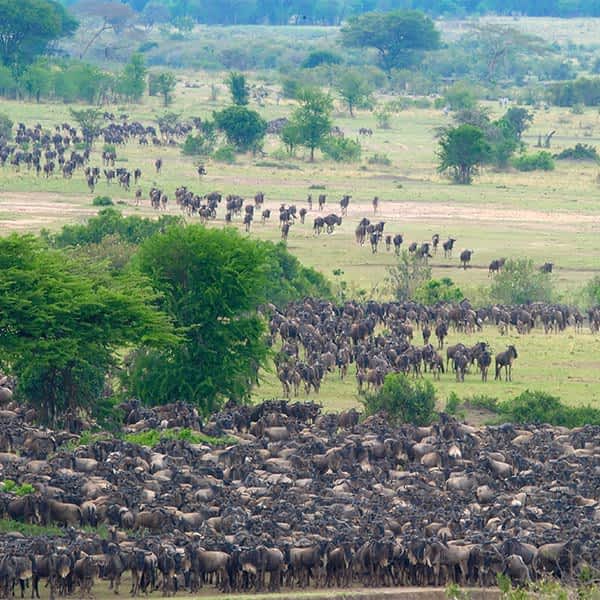
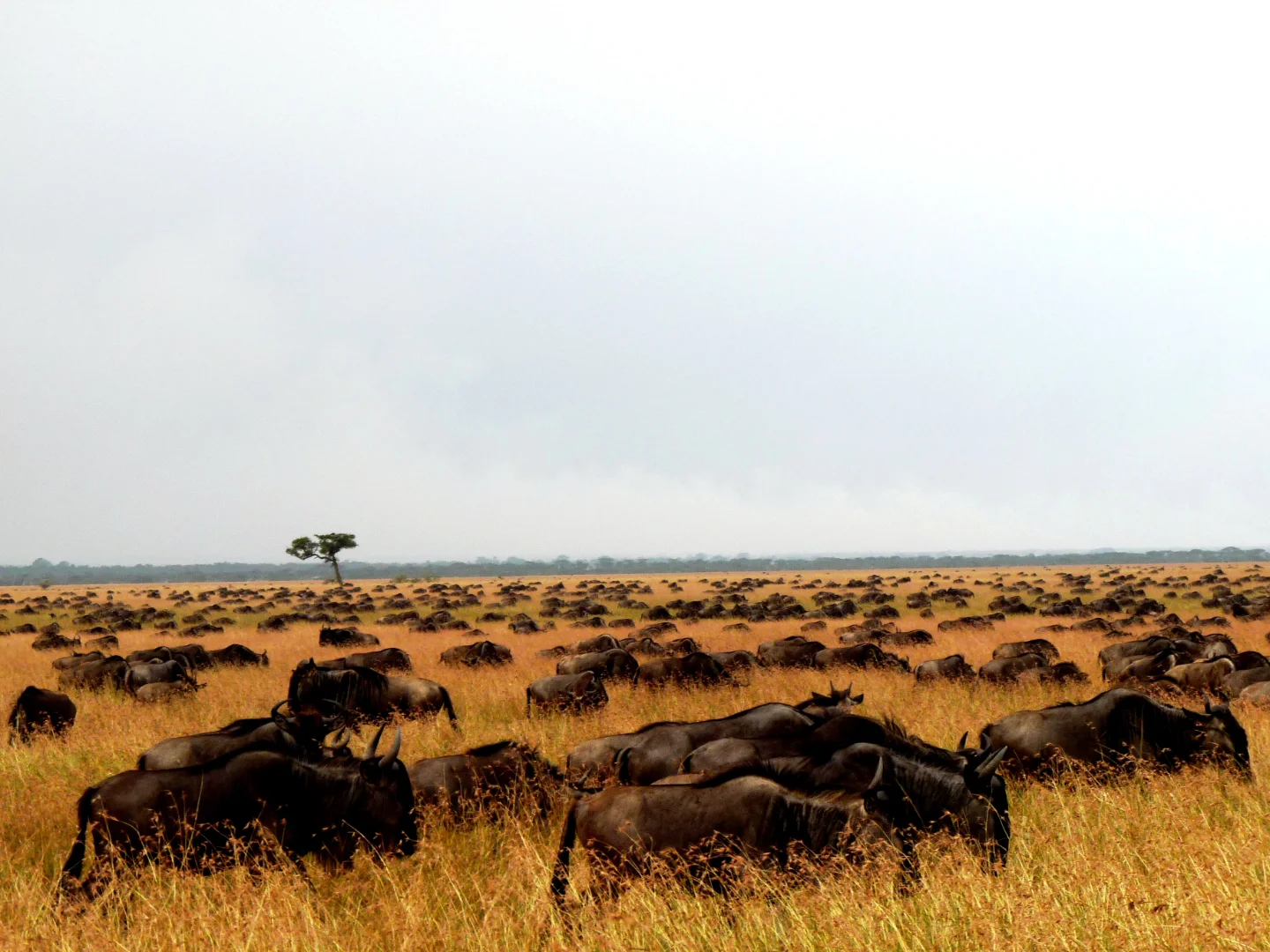
The Ngorongoro Crater is the world's largest intact volcanic caldera and a UNESCO World Heritage Site. Its 260 square kilometre floor hosts an extraordinary concentration of roughly 25,000 large animals, making it one of Africa's most reliable wildlife viewing destinations.
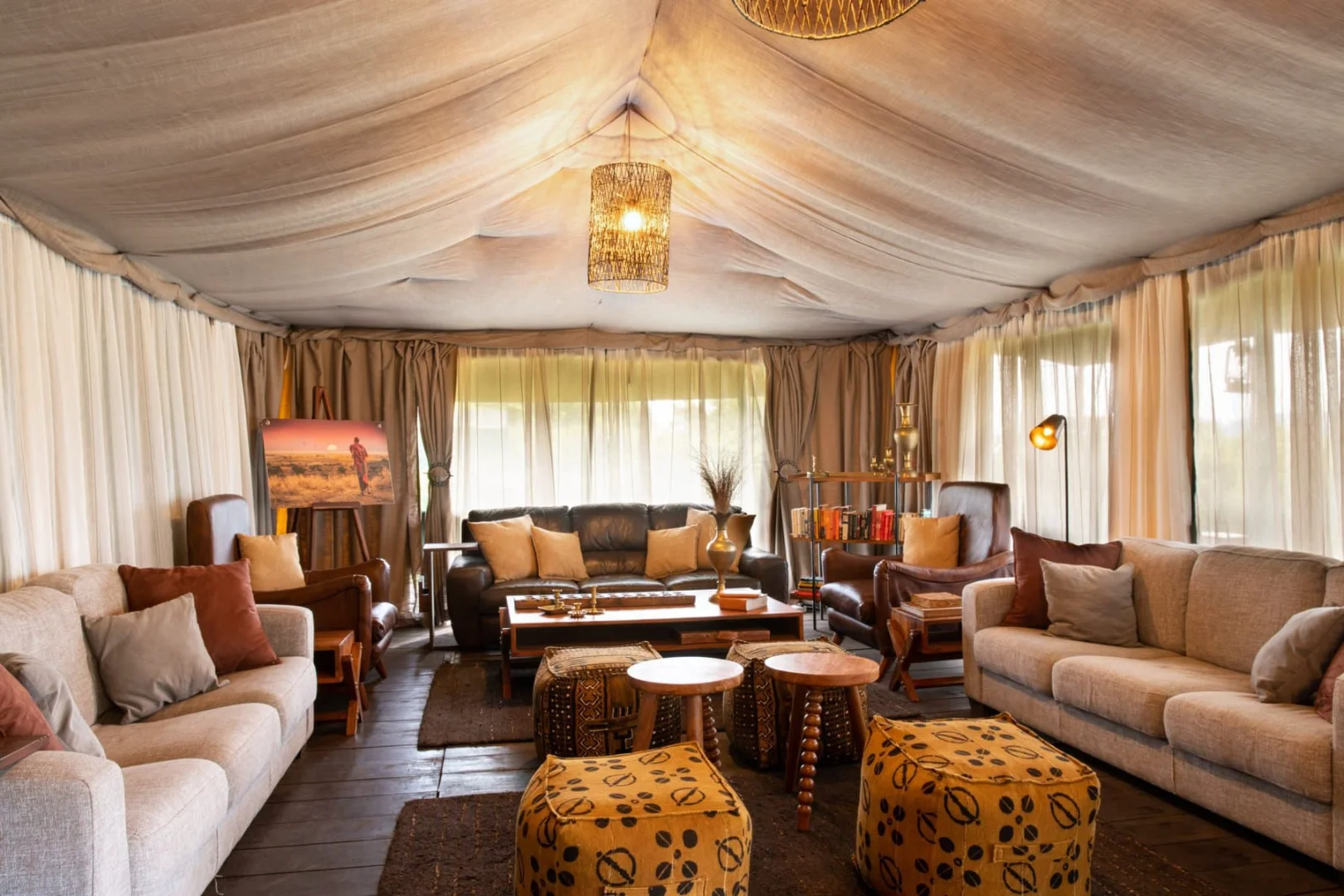
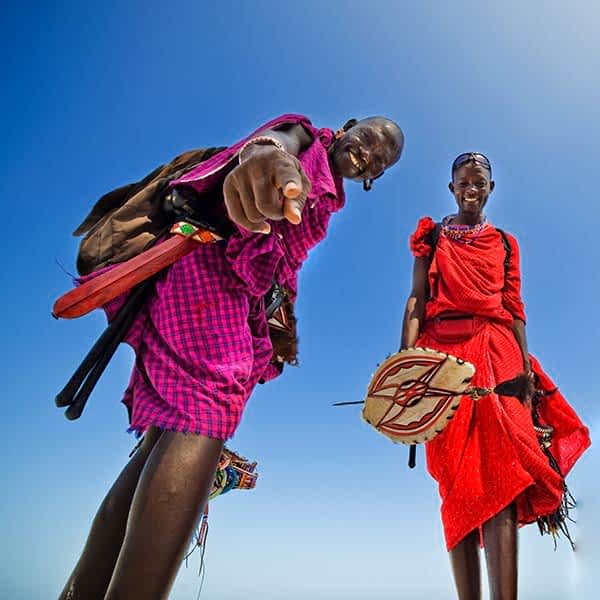
Beyond the famous crater, the Ngorongoro Conservation Area spans 8,292 square kilometres of highland plains, forests, and lakes — including the Empakaai Crater, Olduvai Gorge, and the shifting sands of the active Ol Doinyo Lengai volcano. It is the only conservation area in Tanzania where Maasai people live alongside wildlife.
Year-round; best June to September for dry season. December to March for wildebeest calving nearby.
Cool highland climate, temperatures 10-25°C. Fog and rain common on crater rim.
TZ, Northern Circuit
Plan Your Visit
Ready to explore Ngorongoro Conservation Area? Our experts craft bespoke itineraries tailored to your travel dates and interests.
Browse Safari ToursGet a Custom QuoteWildlife & Activities
Safari Tours
Through the Lens
Nearby Destinations
Ngorongoro Conservation Area is waiting for you
Begin your African adventure with expert-guided safaris tailored to your interests.
Ngorongoro Conservation Area: Frequently Asked Questions
How does the Ngorongoro Crater compare with other safari destinations in Tanzania?
The Ngorongoro Crater is the world's largest intact volcanic caldera and a UNESCO World Heritage Site, and its 260 square kilometre floor holds roughly 25,000 large animals. That concentration makes it one of Africa's most reliable wildlife viewing destinations.
Is the Ngorongoro Conservation Area only the crater?
No. The crater is the headline feature, but the conservation area spans 8,292 square kilometres of highland plains, forests and lakes. It also contains the Empakaai Crater, Olduvai Gorge and the shifting sands of the active Ol Doinyo Lengai volcano.
Do people live inside the Ngorongoro Conservation Area?
Yes. It is the only conservation area in Tanzania where Maasai people live alongside wildlife.
Can Olduvai Gorge and Ol Doinyo Lengai be visited as part of a Ngorongoro trip?
Both sites lie within the Ngorongoro Conservation Area, along with the Empakaai Crater, so they can be worked into the same itinerary. Ecological Wilderness Adventure can tailor a route and quote it on request.
Is Ol Doinyo Lengai an active volcano?
Yes, Ol Doinyo Lengai is an active volcano, and its shifting sands are one of the features found within the Ngorongoro Conservation Area.
How can I arrange a safari to the Ngorongoro Conservation Area?
Ecological Wilderness Adventure is a TATO-licensed Tanzania and East Africa safari tour operator, and can tailor an itinerary and quote a trip on request.