
TarangireNational Park
Known for having the highest elephant density in Tanzania and its striking landscape of ancient baobab trees, Tarangire National Park is a dry-season powerhouse that draws massive …
Last updated:
Tarangire National Park
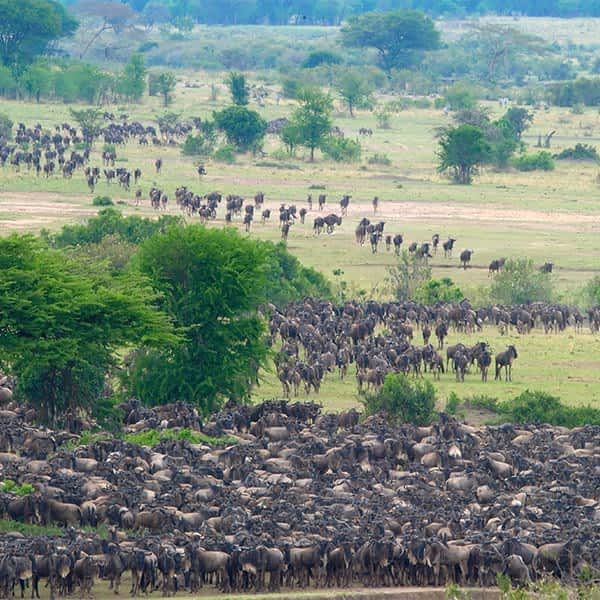
Known for having the highest elephant density in Tanzania and its striking landscape of ancient baobab trees, Tarangire National Park is a dry-season powerhouse that draws massive herds of animals to its life-giving river.
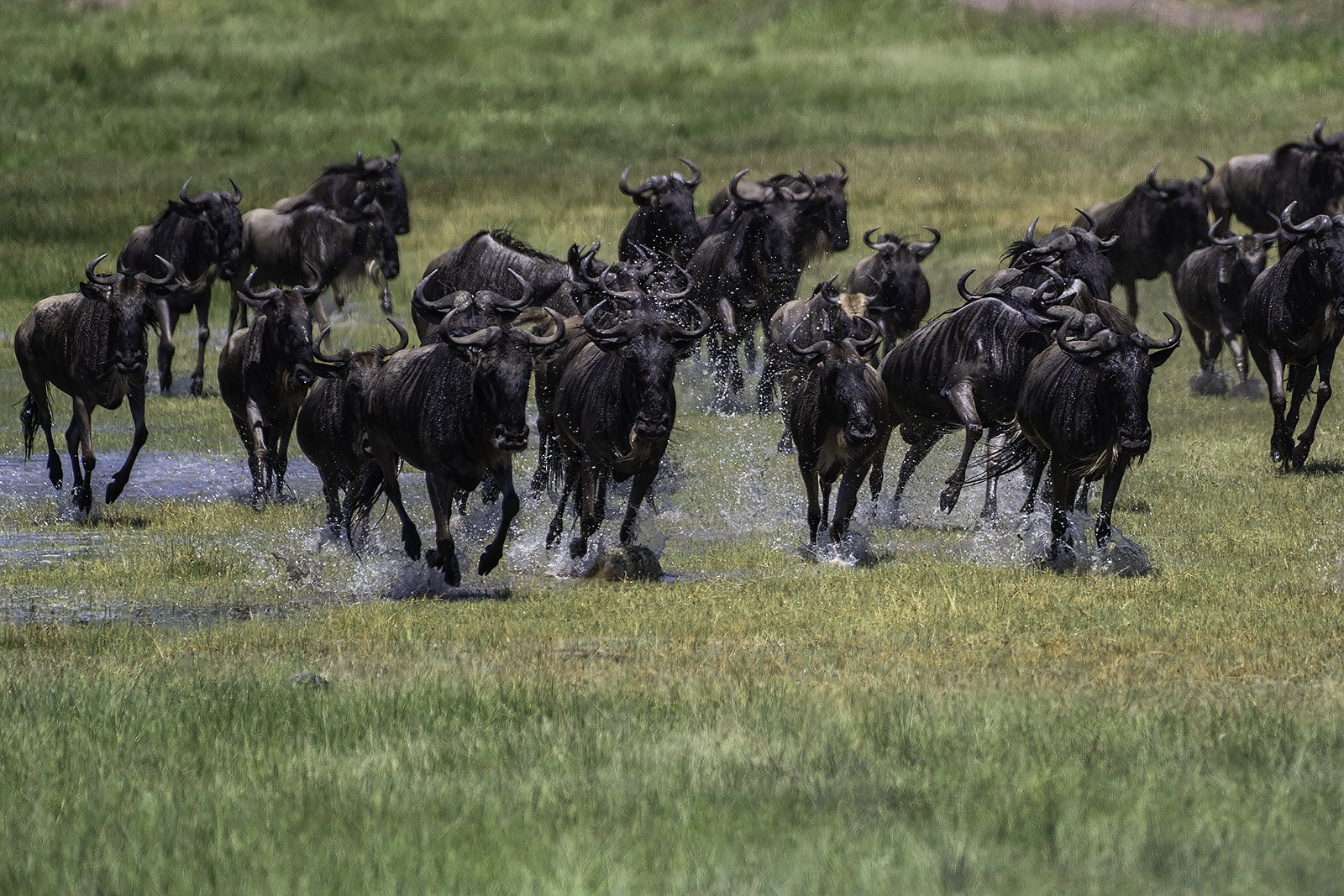
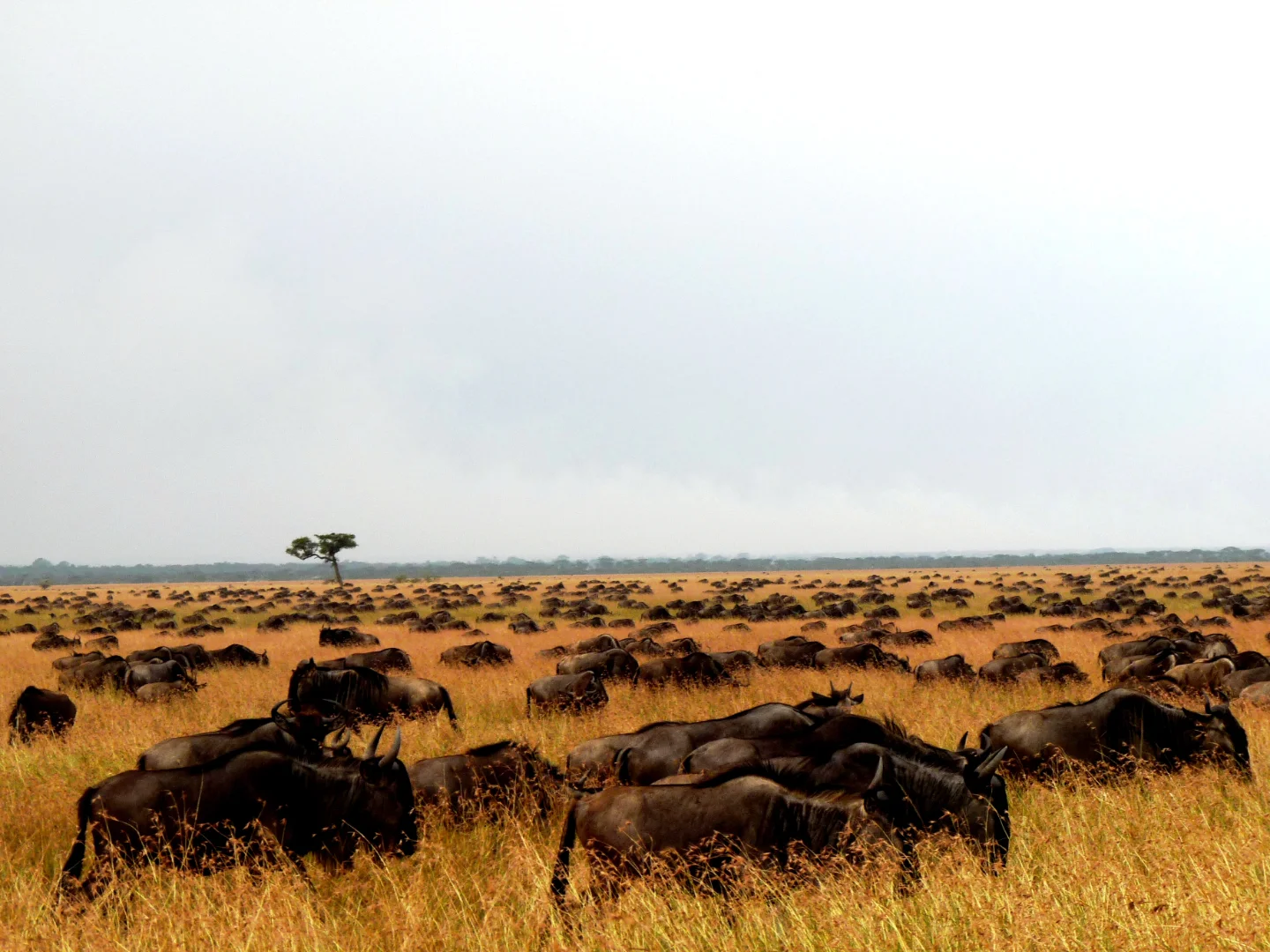
During the dry season (June-October), Tarangire hosts the largest concentration of migratory wildlife outside the Serengeti ecosystem. Herds of up to 300 elephants converge along the Tarangire River, alongside wildebeest, zebra, buffalo, and eland. The park's python population is one of the densest in East Africa.
June to October for peak wildlife concentrations around the Tarangire River
Semi-arid savanna with temperatures ranging 20-30°C
TZ, Northern Circuit
Plan Your Visit
Ready to explore Tarangire National Park? Our experts craft bespoke itineraries tailored to your travel dates and interests.
Browse Safari ToursGet a Custom QuoteWildlife & Activities
Exceptional Lodges
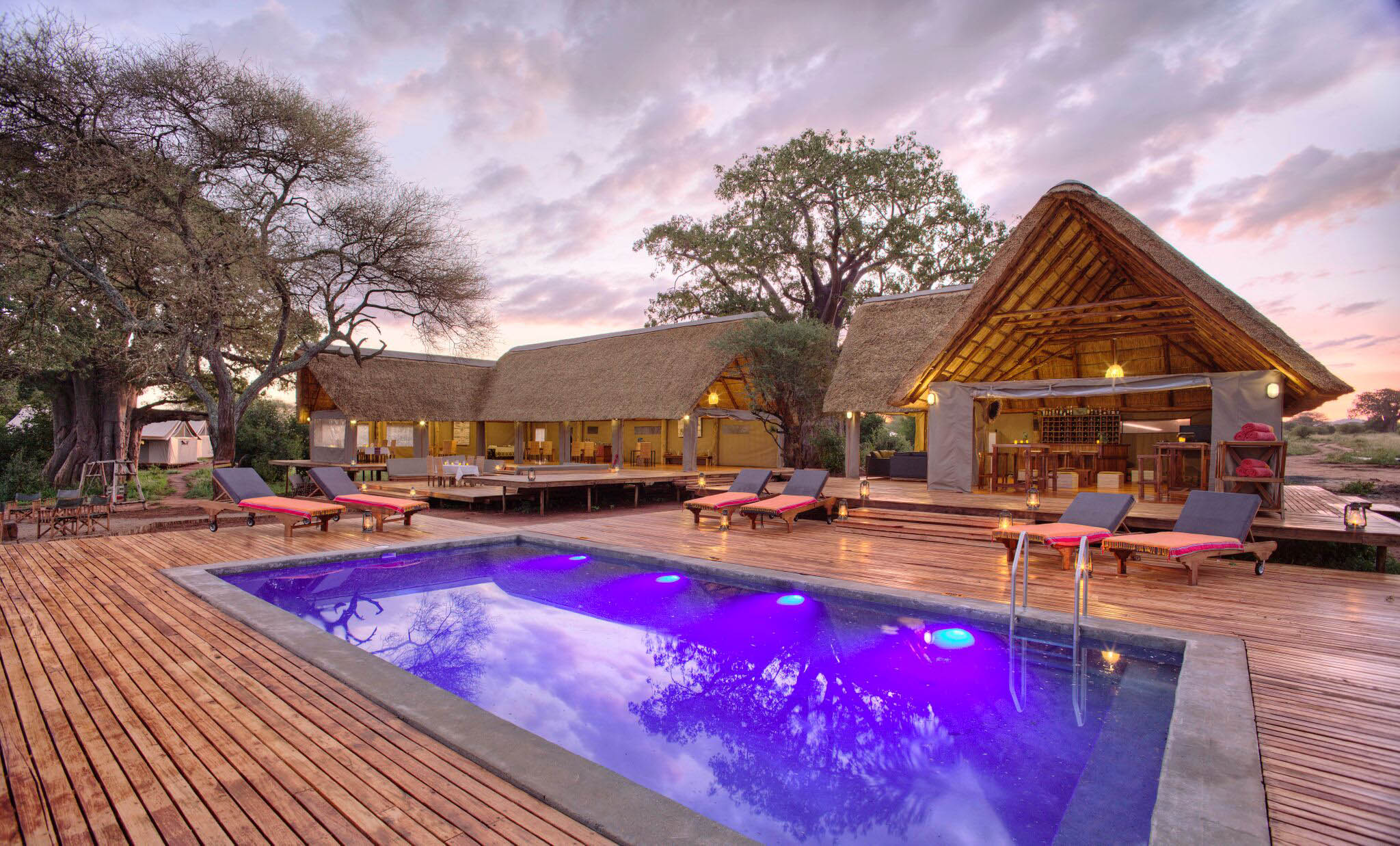
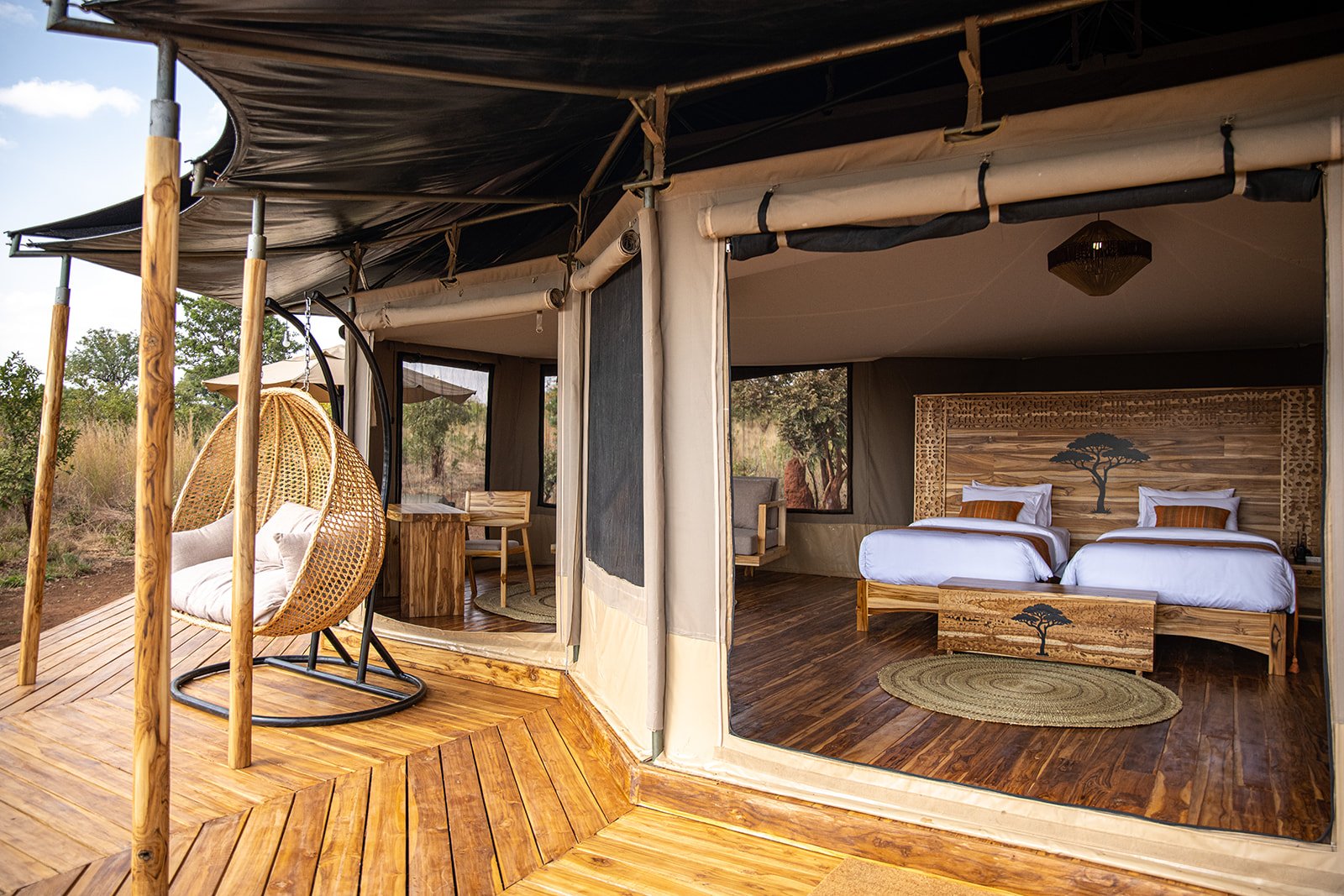
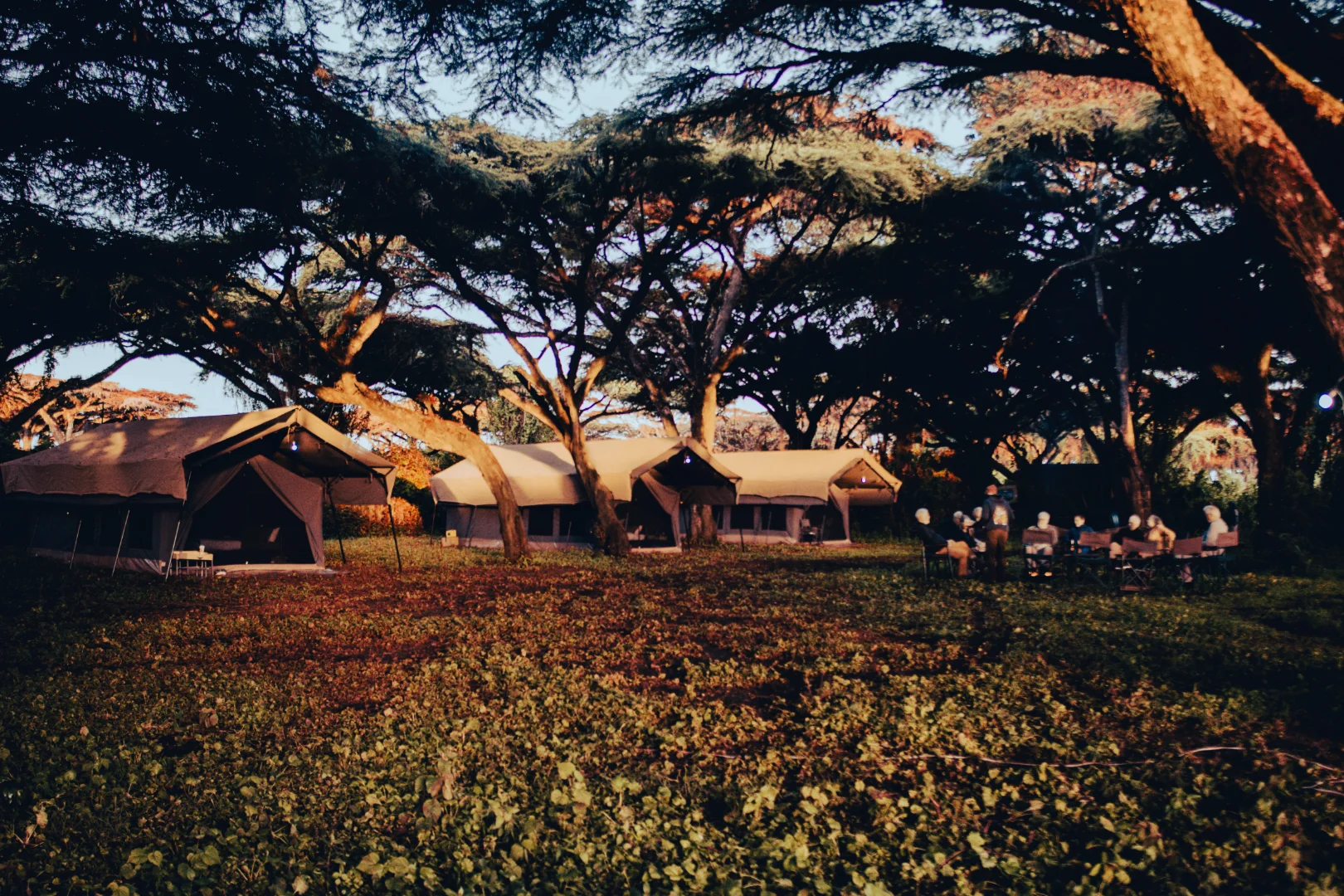
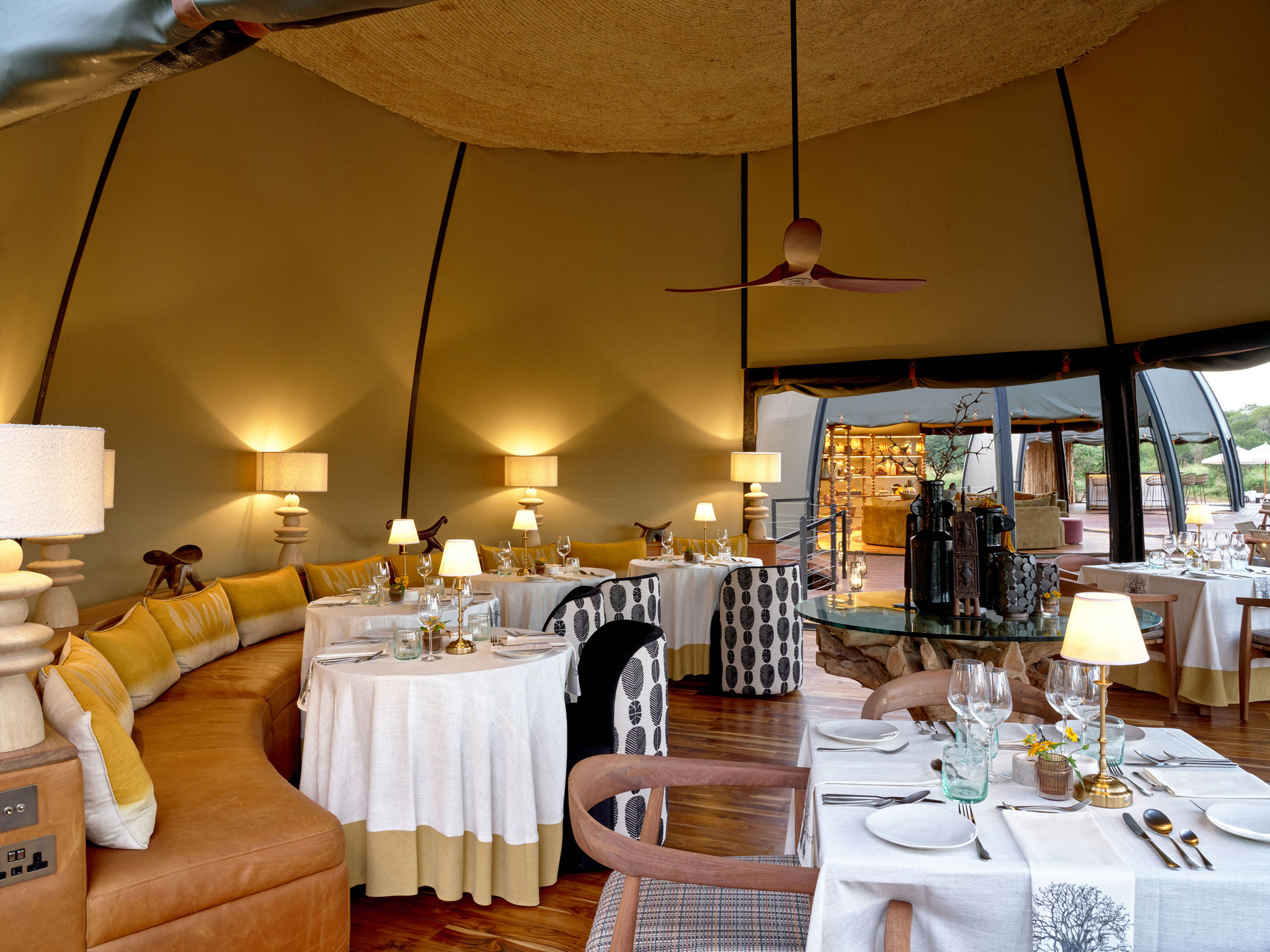
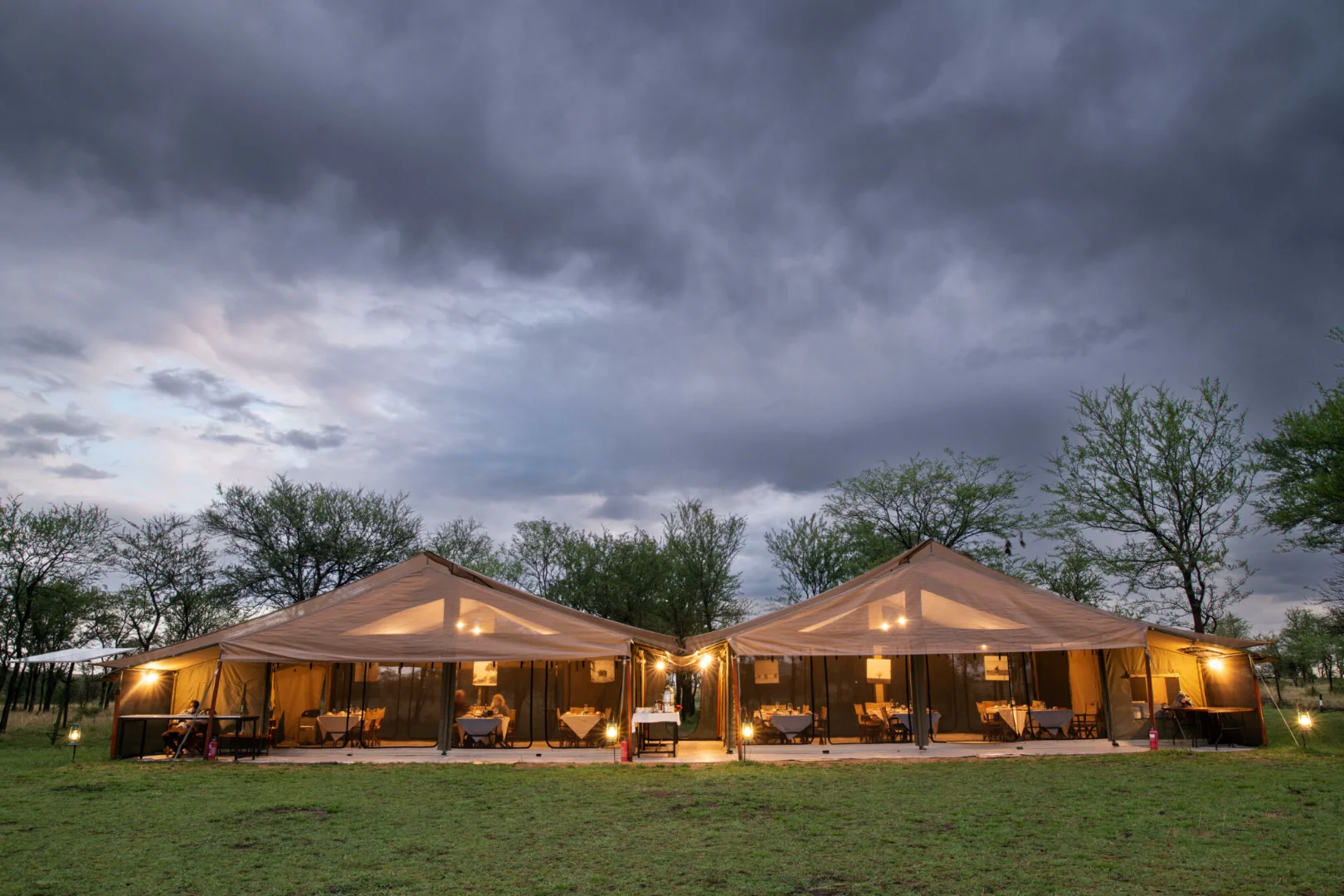
Hand-curated properties ranging from intimate tented camps to landmark lodges — chosen for extraordinary service and unrivalled wildlife access.



Safari Tours

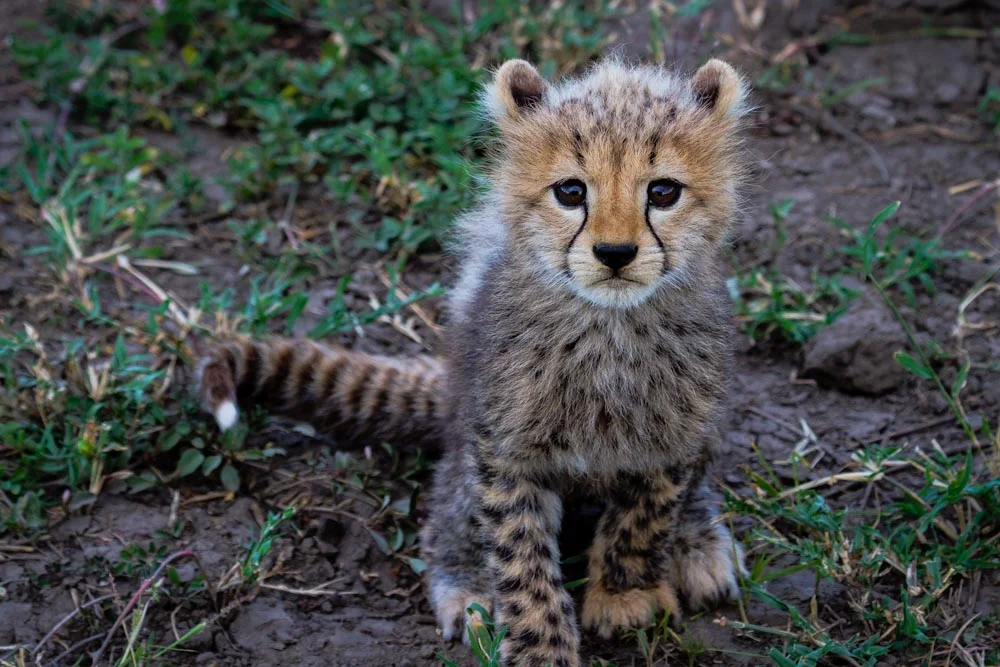

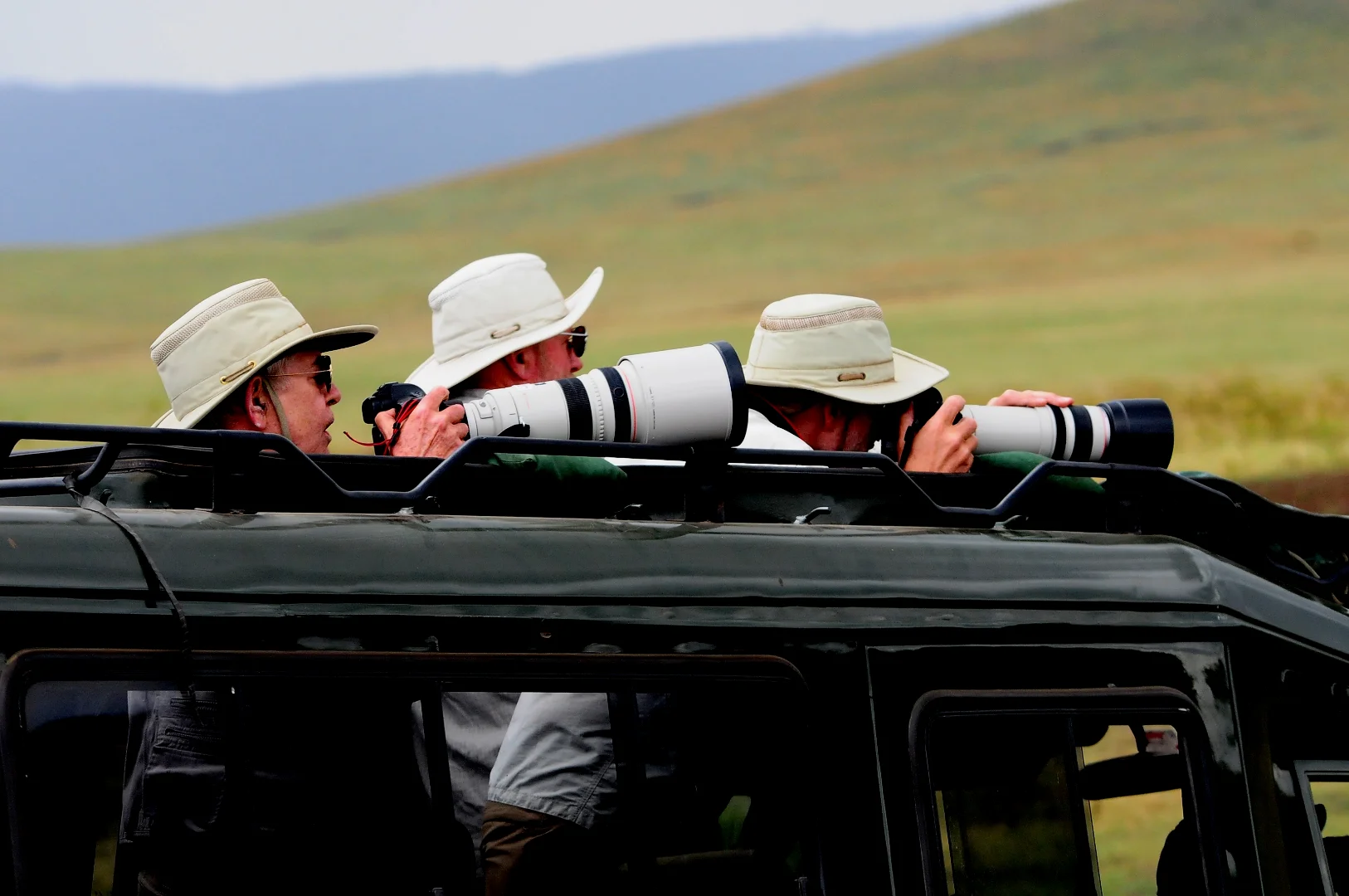
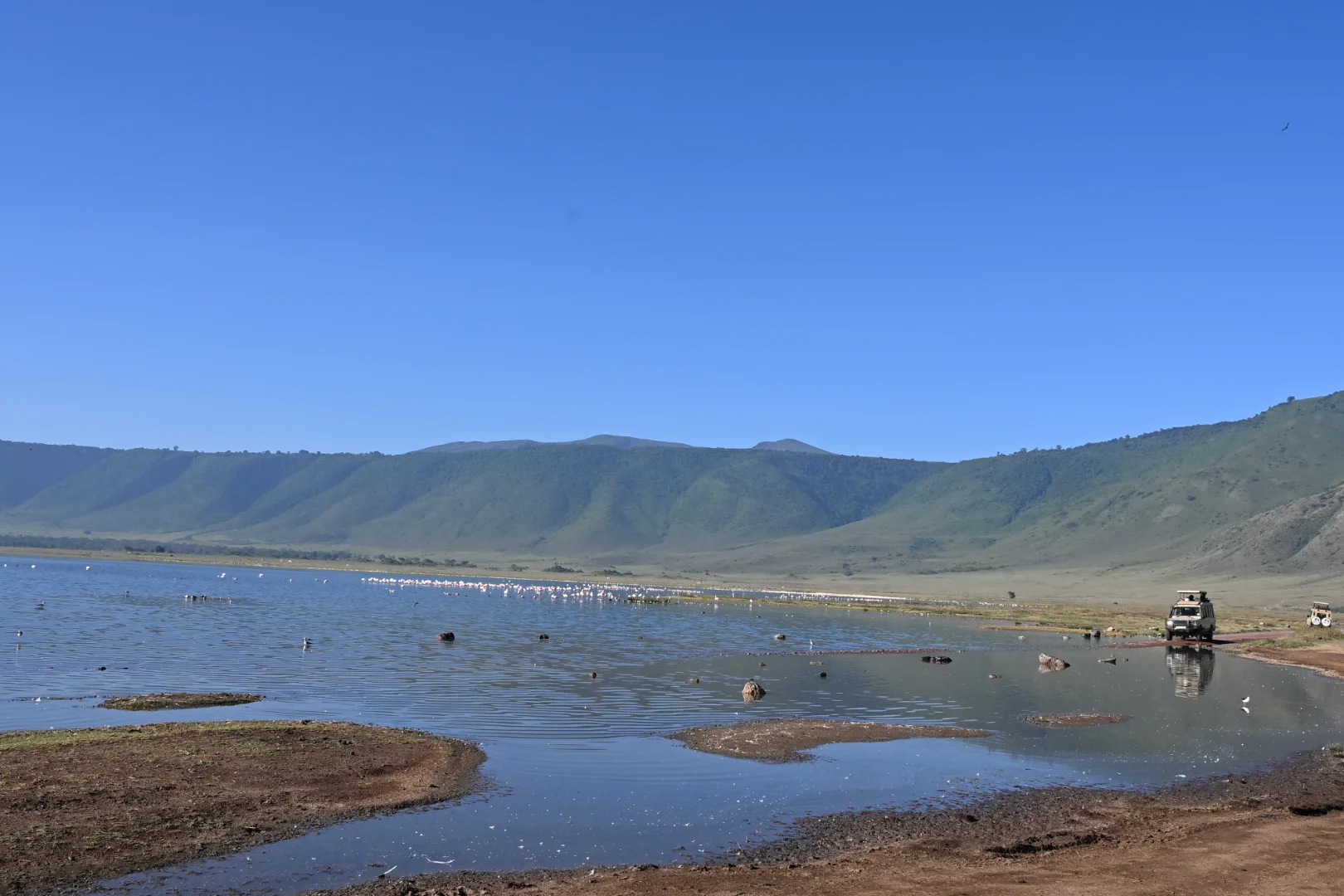
Through the Lens

Nearby Destinations
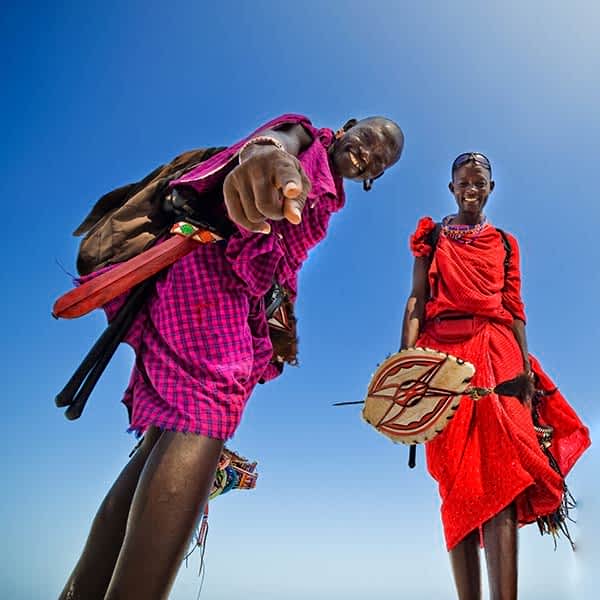
Tarangire National Park is waiting for you
Begin your African adventure with expert-guided safaris tailored to your interests.
Tarangire National Park: Frequently Asked Questions
What makes Tarangire National Park different from other Tanzanian parks?
Tarangire is known for having the highest elephant density in Tanzania and a striking landscape of ancient baobab trees, with dry-season herds gathering along the Tarangire River. During June to October it hosts the largest concentration of migratory wildlife outside the Serengeti ecosystem.
When is the best time to visit Tarangire for wildlife?
The dry season from June to October is the key wildlife period, when massive herds converge on the Tarangire River. Herds of up to 300 elephants may be seen along the river alongside wildebeest, zebra, buffalo, and eland.
Which animals can I expect to see in Tarangire?
Tarangire is renowned for elephants, with herds of up to 300 gathering along the river in the dry season, as well as wildebeest, zebra, buffalo, and eland. The park also has one of the densest python populations in East Africa.
Is Tarangire a good addition to a northern Tanzania safari?
Tarangire is a dry-season powerhouse and a strong addition for elephant viewing and large migratory herds outside the Serengeti ecosystem. Ecological Wilderness Adventure can tailor an itinerary and quote a trip that includes Tarangire on request.
What is the Tarangire River important for?
The Tarangire River is the park’s life-giving water source and draws massive dry-season herds, including elephants, wildebeest, zebra, buffalo, and eland. Wildlife concentrations are highest during the June to October dry season.
How much does a Tarangire safari cost?
Ecological Wilderness Adventure can tailor and quote a Tarangire trip on request. Pricing depends on the itinerary, season, and services included.
