Big Cat Photography
Lions, leopards, and cheetahs — the ultimate predator portfolio
Your Experience
Specialized photography safaris focused on lions, leopards, and cheetahs
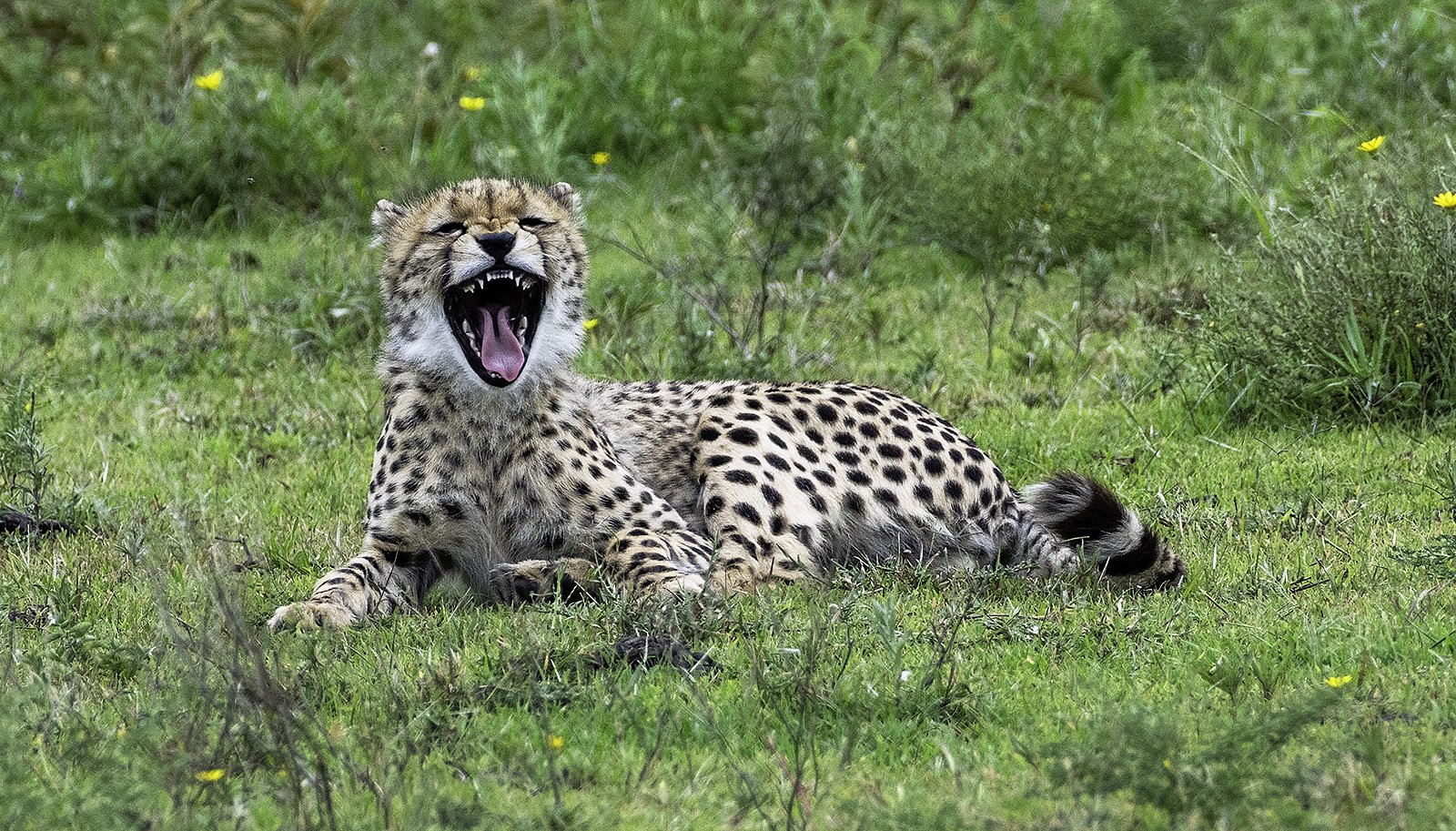
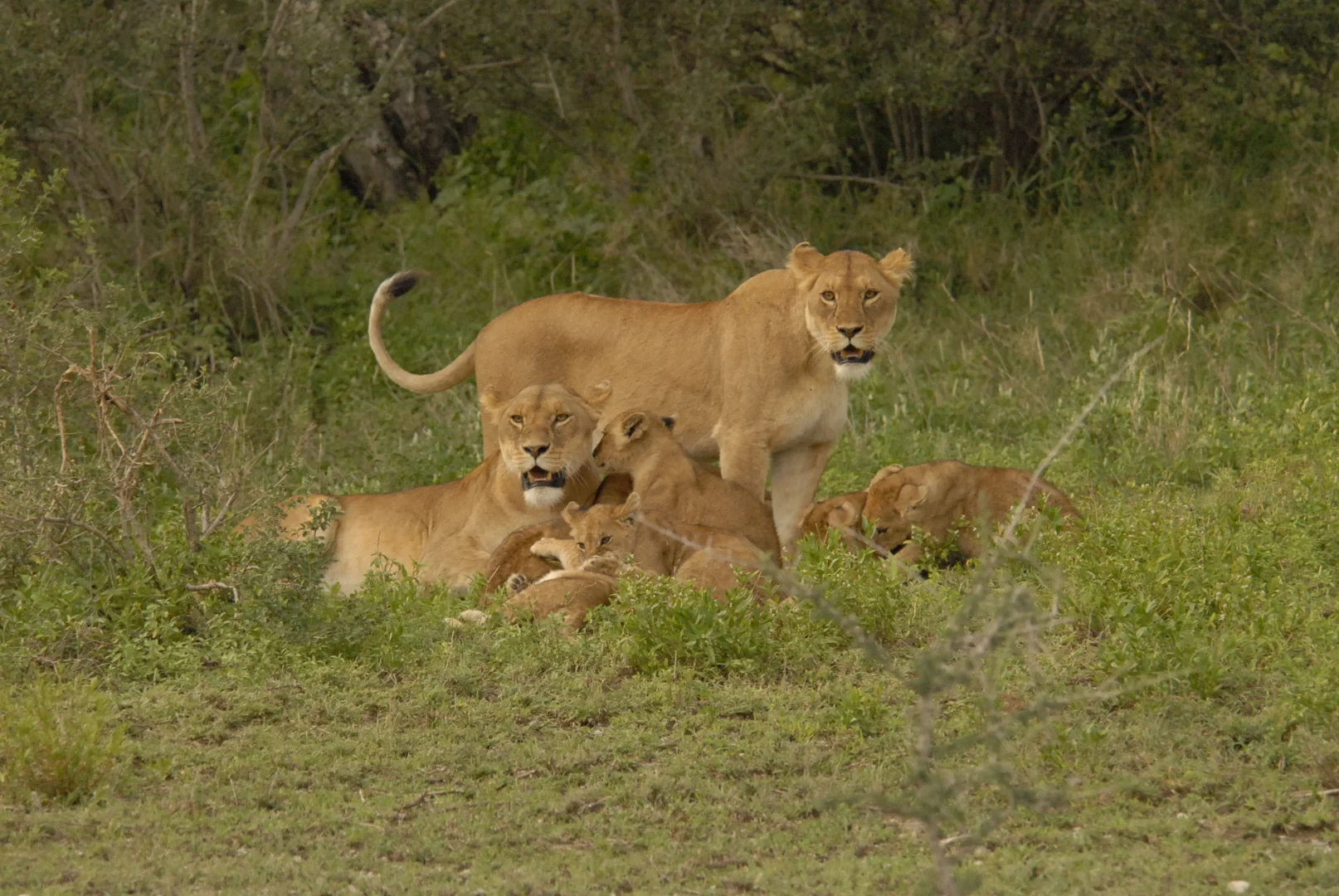
This specialist safari is built entirely around photographing Africa's three iconic big cats: lion, leopard, and cheetah. Each species demands different techniques, different light, and different patience, and our photography guides know exactly where, when, and how to find them. Lions are tracked in the early morning when prides are most active, returning from night hunts, greeting each other, and feeding. The Serengeti's open plains offer clean backgrounds and unobstructed sightlines, allowing you to capture golden-hour warmth and dramatic social interactions without distracting foliage. Leopards require more patience; we focus on known territories in the Seronera Valley and Ngorongoro's forested crater rim, where these solitary cats rest in sausage trees and hunt at dusk. Positioning the vehicle for eye-level angles through dappled canopy light makes all the difference when photographing these elusive predators. Cheetahs are found on the short-grass plains where their explosive speed can be captured in dramatic motion sequences. Tracking mothers with cubs or coalitions scanning from termite mounds provides dynamic storytelling opportunities across the open savannah. Our safari vehicle is custom-modified for serious photographers: every guest is guaranteed a dedicated window seat with uninterrupted views, custom beanbag supports replace bulky tripods for low-angle stability, and the open pop-up roof hatch gives standing shooters a 360-degree platform. Throughout the journey, your specialist guide coaches you through the unique technical challenges of each species, including dialing in slow shutter pans for sprinting cheetahs, managing wide apertures in the low light of forest-dwelling leopards, and anticipating the precise moment to catch a lion's roaring breath in crisp morning air. Multi-day itineraries are designed to follow the cats' movements and seasonal prey patterns, maximising your chances of encountering all three species in dramatic, photogenic situations while leaving ample time at every sighting to work the light and perfect your composition. Timing matters as much as location. The dry months, from June to October, concentrate game around water and bring cheetahs to the central Serengeti in greater numbers, and the Seronera River corridor is widely regarded as some of the best leopard country in Tanzania. A guide can improve your odds with each cat, but cannot promise a sighting, so plan for patience and long mornings. We can tailor the length and season of your trip to the cat you most want to photograph.
Experience Highlights
What's Included
Not Included
Quick Facts
Experience Details
Everything you need to know about this experience
Requirements
- Camera with telephoto capability (300mm+ recommended)
- Extra memory cards and batteries
- Dust protection for equipment
- Patience for extended wildlife stakeouts
- Neutral-coloured, layered clothing
Requirements & Safety
Important information for a safe and enjoyable experience
Age Requirements
Minimum age: 12 years
Difficulty Level
Moderate fitness level recommended. Some walking or physical activity involved.
Group Size
Maximum 4 participants per group for an intimate experience.
Safety Information
All experiences are led by trained professionals with full safety briefings provided. Our guides are equipped to handle any situation that may arise.
Guest Reviews
See what our guests say about this experience
Every rating above is published by the platform itself — follow the links to verify.
Your adventure is waiting
Get in touch with our specialists to customize this experience and secure your booking.
Big Cat Photography
4–7 days · moderate level
Big Cat Photography: Frequently Asked Questions
Which big cats can I photograph on this safari?
This specialist safari focuses entirely on photographing Africa's three iconic big cats: lion, leopard, and cheetah. The itinerary and guiding are built around each species' different behavior, light needs, and patience requirements.
Where are lions, leopards, and cheetahs typically found on this photography safari?
Lions are tracked on the Serengeti's open plains in the early morning, leopards are sought in known territories in the Seronera Valley and Ngorongoro's forested crater rim, and cheetahs are found on the short-grass plains. Multi-day itineraries follow the cats' movements and seasonal patterns to maximize photogenic encounters.
How is the safari vehicle set up for photography?
The vehicle is modified for photographers, with a window position for every seat, beanbag supports instead of tripods, and a roof hatch that gives standing shooters a stable platform. This supports both window-level shooting and standing roof-hatch photography.
What photography coaching is included for each cat species?
Guides coach guests through species-specific challenges such as slow shutter pans for running cheetahs, wide apertures for forest-dwelling leopards, and the precise moment to catch a lion's roar. The guidance is tailored to the big cat photography focus of the safari.
Can I photograph all three big cats on one trip?
Multi-day itineraries are designed to follow the cats' movements and seasonal patterns, maximizing the chances of encountering lion, leopard, and cheetah in dramatic, photogenic situations. Because the animals are wild, sightings cannot be guaranteed.
What time of day is best for photographing lions, leopards, and cheetahs?
Lions are tracked in the early morning when prides are most active, leopards are photographed in known territories where they rest in sausage trees and hunt at dusk, and cheetahs are found on short-grass plains for motion sequences. Guides plan daily timing around these different species behaviors.